About This Journal
Horticultural Science and Technology (abbr. Hortic. Sci. Technol., herein ‘HST’; ISSN, 1226-8763), one of the two official journals of the Korean Society for Horticultural Science (KSHS), was launched in 1998 to provide scientific and professional publication on technology and sciences of horticultural area. As an international journal, HST is published in English and Korean, bimonthly on the last day of even number months, and indexed in ‘SCIE’, ‘SCOPUS’ and ‘CABI’. The HST is devoted for the publication of technical and academic papers and review articles on such arears as cultivation physiology, protected horticulture, postharvest technology, genetics and breeding, tissue culture and biotechnology, and other related to vegetables, fruit, ornamental, and herbal plants.
-
Review
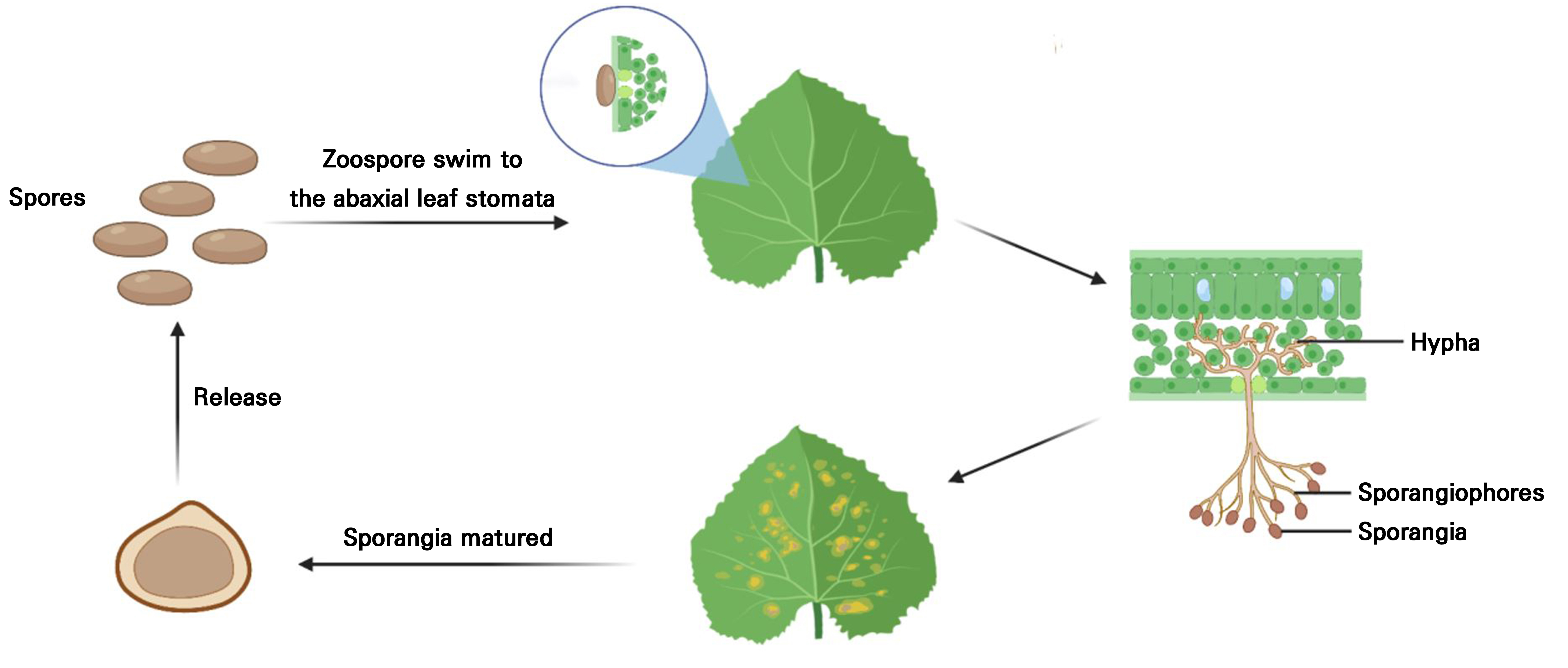
- Research Progress on Control Strategies and Resistance Genetics of Cucumber (Cucumis sativus L.) Downy Mildew
- Ning Hua, Xin Wang, Peng Zhang
- Downy mildew is one of the most serious diseases affecting cucumbers. The pathogen is airborne, infects through leaf stomata and poses a …
- Downy mildew is one of the most serious diseases affecting cucumbers. The pathogen is airborne, infects through leaf stomata and poses a highly destructive threat to cucumber production. Its presence has been reported in 80 countries worldwide. DM development is influenced by several environmental conditions, among which temperature and humidity are the primary drivers of disease progression. Existing control strategies can be mainly classified into physical control, chemical control, biological control, cultural control, and resistance breeding control types. Extensive research has focused on identifying genes that impart cucumber downy mildew resistance and on developing resistant varieties, yielding much progress. A complex genetic system governs resistance to this pathogen, and current studies lack consensus on the mechanisms of resistance, resulting in the development of only a few effective resistant cultivars. This article reviews recent advances in several key areas related to cucumber downy mildew, including factors influencing disease occurrence, diagnostic methods, control strategies, inheritance patterns of resistance, molecular markers, quantitative trait loci mapping for disease resistance, resistance genes, and disease-resistant breeding. The objective is to provide a reference for resistance gene research and breeding efforts targeting cucumber downy mildew. - COLLAPSE
-
Research Article
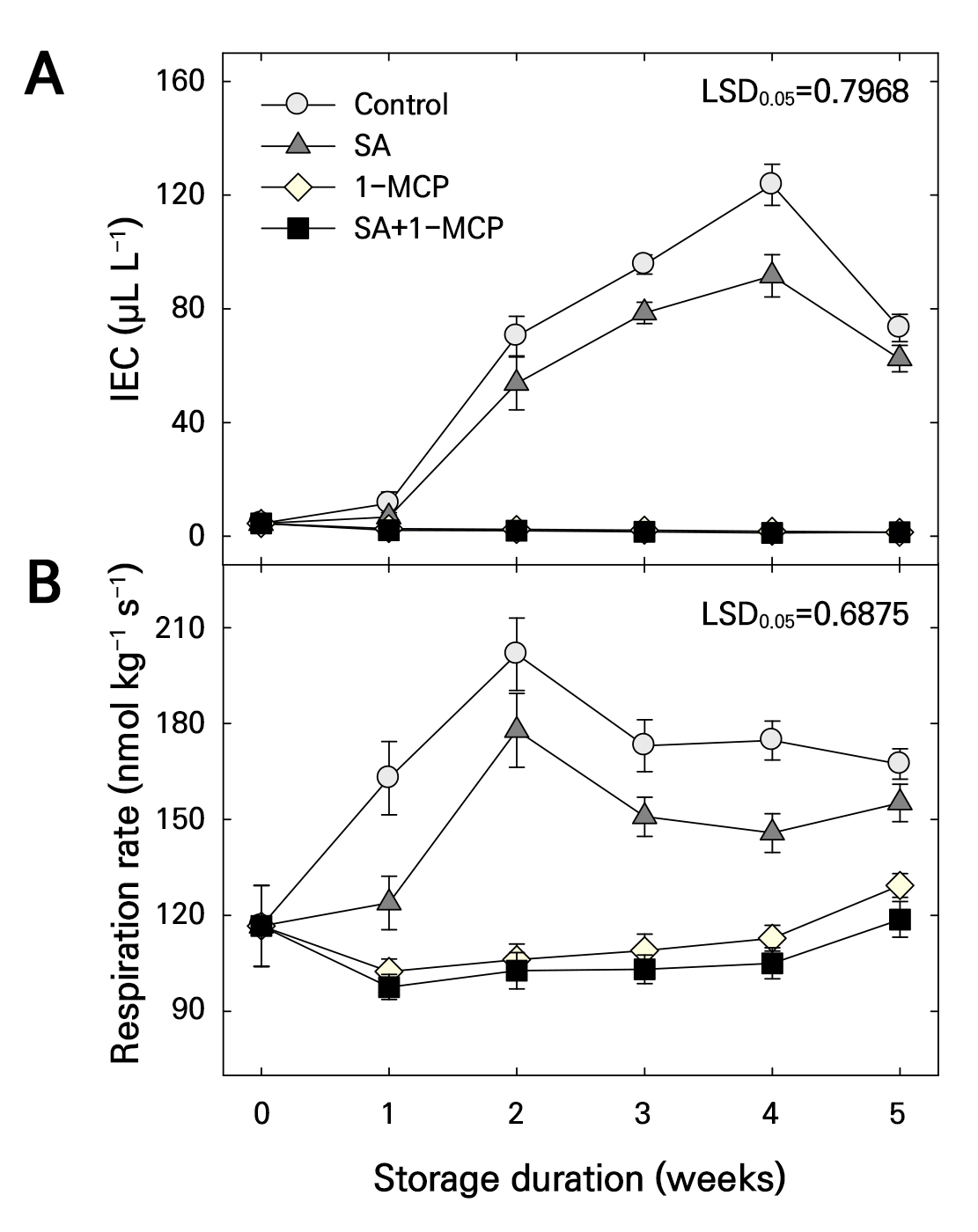
- The Influences of Salicylic Acid and 1-Methylcyclopropene on Fruit Quality and Ethylene Production Mechanism of ‘Picnic’ Apples during Storage
- Jung-Geun Kwon, Hye-Jin Cho, Jingi Yoo, Areum Han, Kyoungook Kim, Aung Htay Naing, Chaw Su Win, Nay Myo Win, In-Kyu Kang
- We evaluated the effects of salicylic acid (SA), 1-methylcyclopropene (1-MCP), and their combination (SA+1-MCP) on fruit quality changes associated with ethylene production …
- We evaluated the effects of salicylic acid (SA), 1-methylcyclopropene (1-MCP), and their combination (SA+1-MCP) on fruit quality changes associated with ethylene production and perception mechanism in ‘Picnic’ apples during storage at 20 ± 1°C for 5 weeks. The 1-MCP treatment group showed lower internal ethylene concentration (IEC), respiratory rate, and weight loss and a higher firmness and titratable acidity (TA) than those of the control group. The SA+1-MCP group showed the similar IEC and respiration rate with 1-MCP group, but higher firmness and TA values than that of 1-MCP and other treatment groups. The SA group showed a lower IEC and respiratory rate and higher firmness and TA than those of the control group. However, the SA group showed higher IEC and respiration rate and lower firmness and TA than that of 1-MCP group. Soluble solids content and peel color values were less affected by all treatment groups. Regarding the molecular mechanism, the 1-MCP and SA+1-MCP treatments significantly downregulated ethylene production and perception genes (MdACS1, MdACO1, MdETR1, MdERS2, MdCTR1, MdEIN2, MdEIL1, and MdERF1) during the storage period compared to those in the control and SA groups. However, the expression levels of candidate genes did not differ between the 1-MCP and SA+1-MCP groups. Conclusively, this study revealed that SA treatment alone was less affected on ethylene inhibition and fruit quality maintenance during storage. A combination of SA+1-MCP showed a greater role in promoting the fruit quality of ‘Picnic’ apples during storage. - COLLAPSE
-
Research Article
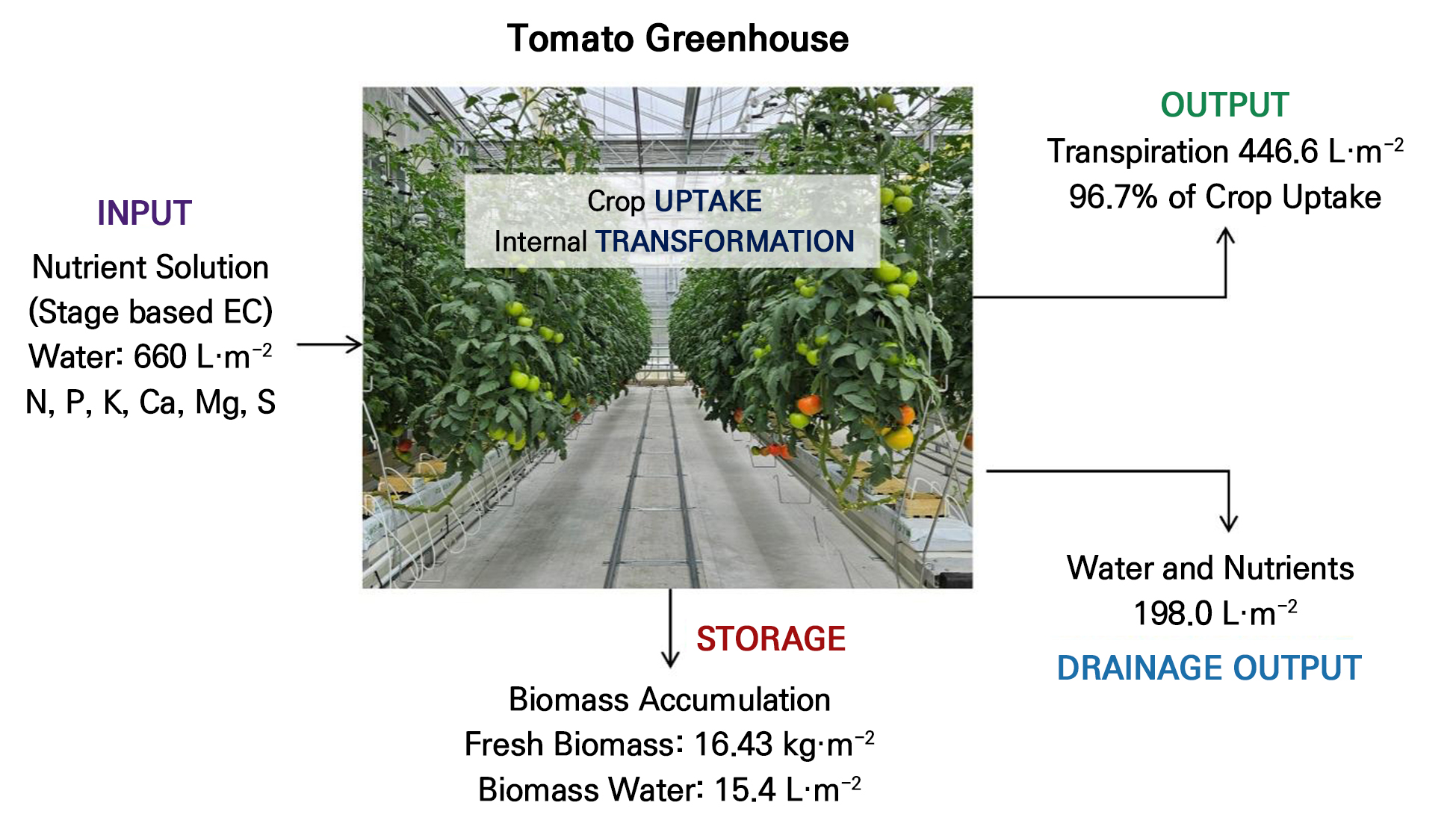
- Stage-based Balance Analysis of Water, Nutrient, and Biomass Dynamics in a Hydroponic Tomato System
- Ju Young Lee, Jung-Seok Yang, Tae In Ahn
- This study quantified the flows of water, nutrients, and biomass in a rockwool-based hydroponic tomato greenhouse under long-term cultivation conditions using a …
- This study quantified the flows of water, nutrients, and biomass in a rockwool-based hydroponic tomato greenhouse under long-term cultivation conditions using a approach. The cultivation period was set to 240 days and was divided into five growth stages: establishment, vegetative growth, flowering and fruit set, harvesting, and a late stage. Stage-based fertigation volumes were determined according to common hydroponic management practices in Korea, and drainage was assumed to be 30% of the supplied nutrient solution. Over the entire cropping period, the total irrigation input amounted to 660.0 L·m‒2, of which 198.0 L·m‒2 was discharged as drainage, while crop water uptake was 462.0 L·m‒2. Of the absorbed water, 446.6 L·m‒2 (96.7%) was released to the atmosphere through transpiration, whereas only 15.4 L·m‒2 (3.3%) was retained as water in the plant biomass. Nutrient flows were analyzed along the pathways of nutrient solution input, drainage discharge, and crop uptake, revealing that a substantial fraction of nutrients was lost from the system via drainage. Absorbed nutrients were allocated to fruits, vegetative tissues, and roots. Total fresh biomass production reached 16.43 kg·m‒2, with fruits accounting for 14.0 kg·m‒2, while non-harvestable aboveground biomass and roots accounted for 2.38 and 0.05 kg·m‒2, respectively. By linking biomass production with water and nutrient inputs through a framework, this study quantitatively elucidated resource use efficiency and loss structures in a hydroponic tomato cultivation system. The integrated analysis of water, nutrients, and biomass provides a systematic understanding of resource flows in hydroponic tomato greenhouse systems and offers a quantitative reference for optimizing fertigation practices. - COLLAPSE
-
Research Article
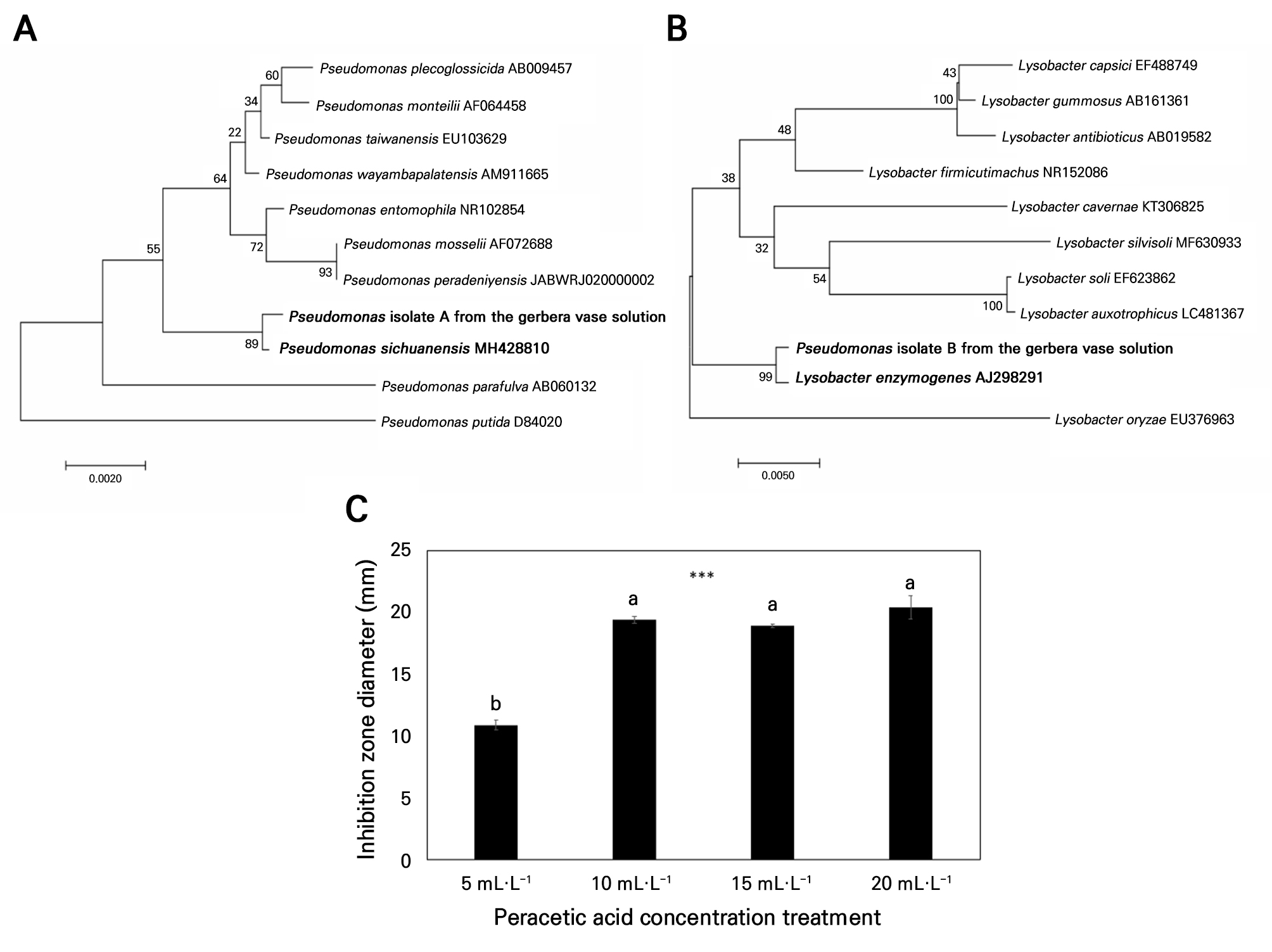
- Extending the Vase Life of Cut Gerbera through the Antibacterial Effect of Peracetic Acid against Pseudomonas fluorescens
- Na Won Moon, Young Boon Lee
- This study evaluated the antibacterial effects of peracetic acid (PAA) against Pseudomonas fluorescens and its influence on the vase life and quality …
- This study evaluated the antibacterial effects of peracetic acid (PAA) against Pseudomonas fluorescens and its influence on the vase life and quality of cut Gerbera hybrida. Isolate from a farm-preservative solution showed >99% 16S rRNA sequence similarity to P. sichuanensis and Lysobacter enzymogenes, clustering with these species with 89% bootstrap support. In P. fluorescens suspensions, the optical density (OD) at 600 nm decreased significantly from ≥0.05 mL·L-1 and was 42% lower than in distilled water (DW) at 0.3 mL·L-1 PAA. For vase solution treatments, cut flowers were placed in distilled water (DW), P. fluorescens at OD600 0.1 (1 × 10⁸ CFU·L-1) (P·f), P·f + PAA 0.2 mL·L-1, or P·f + Floralife (F·L) 10 mL·L-1. Bacterial counts in the vase solution increased to 1.77 × 10⁶ CFU·mL-1 with the P·f treatment but decreased to 2.0 × 10⁴ CFU·mL-1 with PAA. Vase life was extended to 10.6 days with P·f + PAA and to 11.1 days with P·f + F·L compared to 8.4 d in DW. Termination symptoms primarily involved scape bending in the P·f treatment (80%), but there were reduced to 20% and 10% with P·f + PAA and P·f + F·L, respectively. Scape firmness was highest with P·f + PAA, showing a 65% increase over the P·f treatment. Scape cavity formation expanded rapidly with the P·f treatment but was suppressed by PAA and F·L. Scape elongation was greatest in DW but decreased to 53% with P·f + PAA and to 65% with P·f + F·L. Consequently, PAA extended vase life by approximately 26% compared to DW and by 112% compared to the P·f treatment, exhibiting a quality preservation effect comparable to that of the commercial preservative F·L. Furthermore, PAA suppressed cavity formation, stem bending, and stem elongation while also slowing the opening rate of disk florets, thereby contributing to the maintenance of external floral quality. - COLLAPSE
-
Research Article
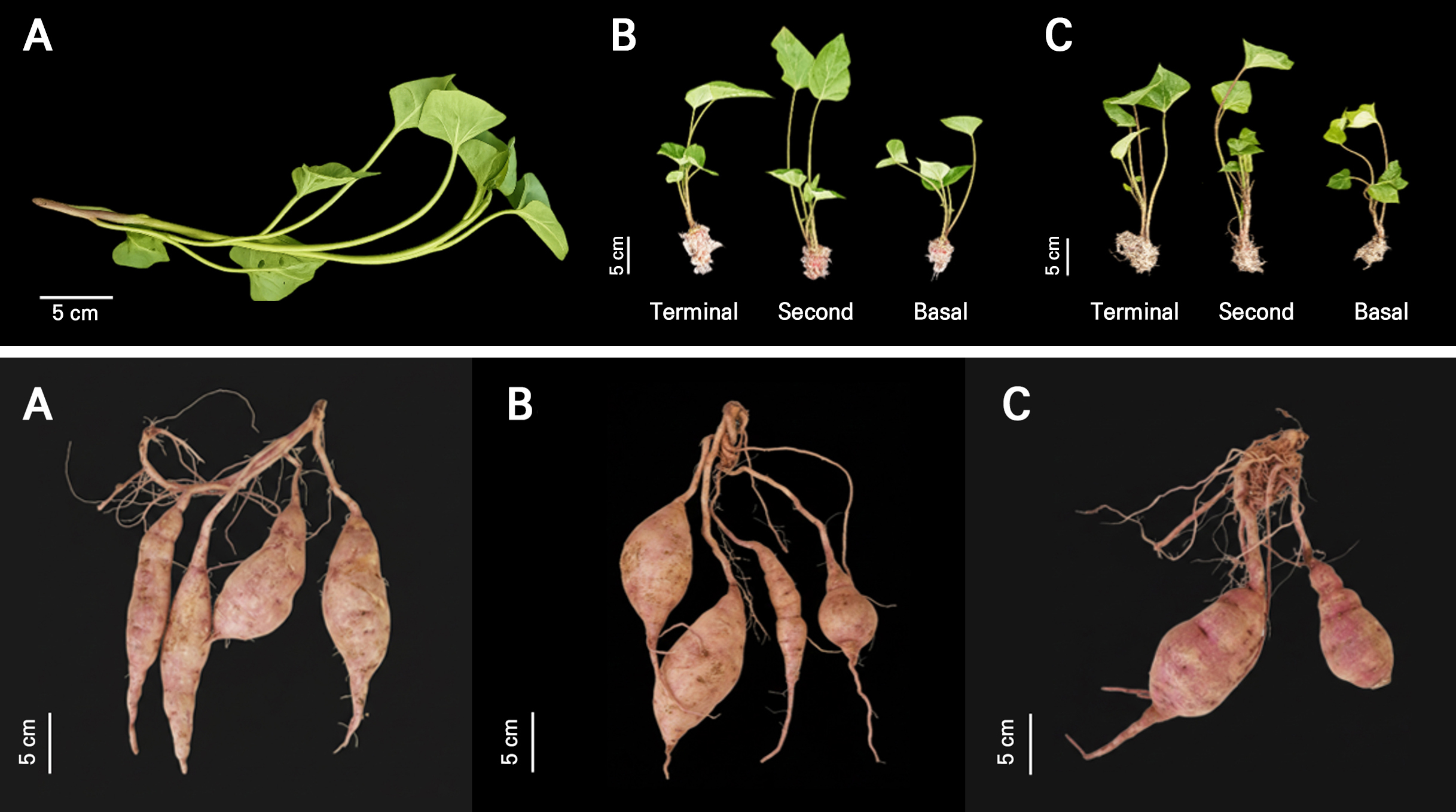
- Seedling Quality and Yield Performance of Cutting-Derived Sweet Potato Seedlings for Mechanized Transplanting
- Jin Oo Jang, Young Je Kim, Se Hun Ju, Eun Ji Kim, Beom Seon Lee, Hyunseung Hwang, Haeyoung Na
- This study evaluated the seedling quality and yield performance of cutting-derived sweet potato seedlings to support mechanized transplanting. Two-node vine cuttings of …
- This study evaluated the seedling quality and yield performance of cutting-derived sweet potato seedlings to support mechanized transplanting. Two-node vine cuttings of the sweet potato cultivar ‘Beniharuka’ [Ipomoea batatas (L.) Lam.] were prepared from terminal, second, and basal node positions and grown in a greenhouse for 20 or 30 days. In a field performance trial, these treatments were compared with conventional unrooted vine cuttings. Cutting survival rates during the nursery stage ranged from 99–100% across all treatments. After the nursery period, terminal-node cuttings grown for 30 days exhibited the greatest shoot and root lengths among the cutting-derived seedling treatments and, at 120 days after transplanting, showed the highest total yield and storage root weight per plant, with values numerically higher than those of the conventional vine cuttings. Moreover, most cutting-derived seedling treatments, except for 20 days basal cuttings, produced a greater proportion of marketable storage roots than the conventional unrooted vine cuttings. These results indicate that two-node cutting-derived seedlings, particularly terminal cuttings grown for 30 days, can maintain yield and marketable storage root production levels comparable to those from conventional vine transplanting. Therefore, cutting-derived seedlings may serve as suitable transplanting materials for mechanized sweet potato transplanting. - COLLAPSE
-
Research Article
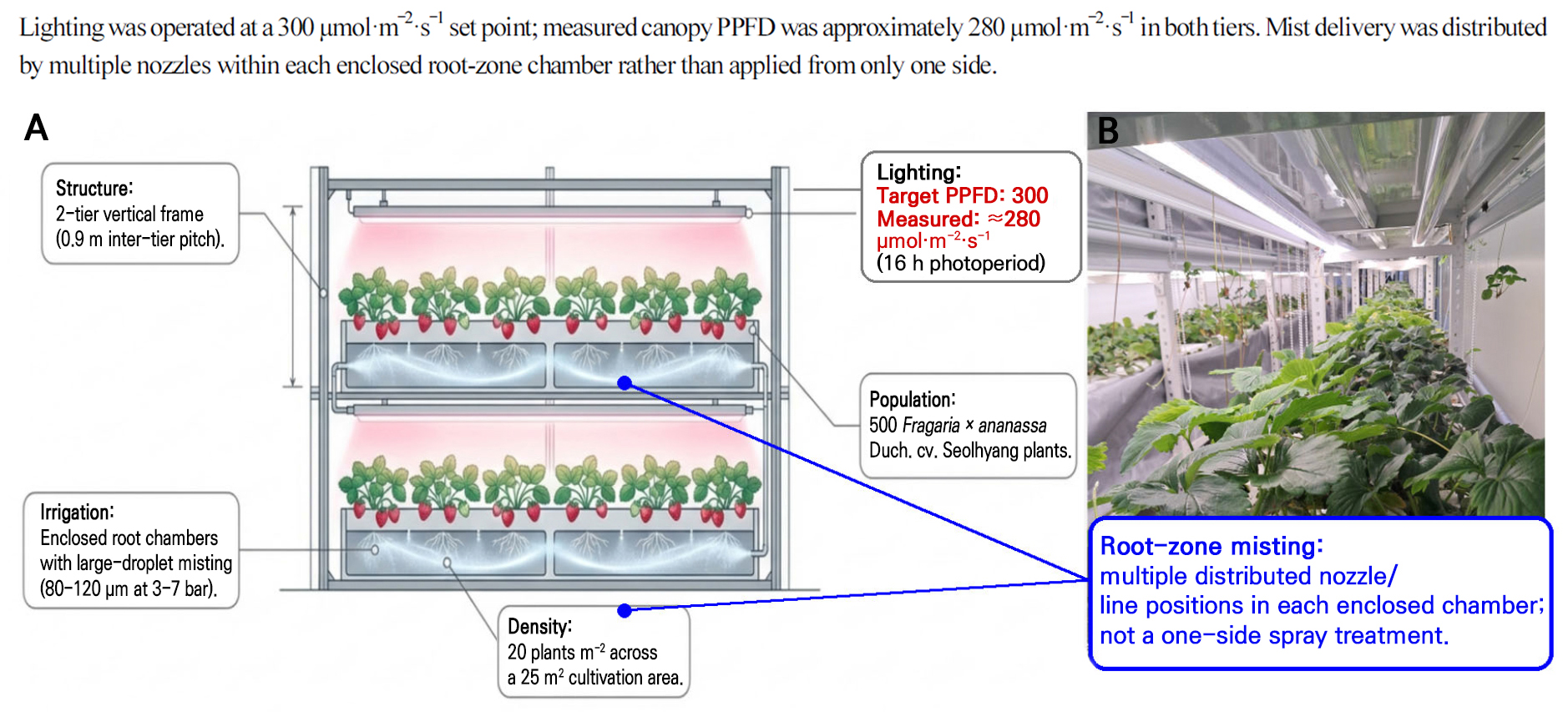
- Water Use Efficiency in Two-Tier Aeroponic Vertical Strawberry Farming with LEDs
- Hyebin An, Jin Woo Nam, Byeong Han Lee, Kyong Hee Joung, Gil Seog Park, Sang Seok Oh, Ju Young Lee
- Improving water use efficiency (WUE) while maintaining stable productivity is a major challenge in controlled environment agriculture. This study evaluated water balance, …
- Improving water use efficiency (WUE) while maintaining stable productivity is a major challenge in controlled environment agriculture. This study evaluated water balance, WUE, and yield performance of strawberry (Fragaria × ananassa Duch. cv. ‘Seolhyang’) grown for 180 days in a closed two-tier aeroponic vertical system under lighting from LEDs. The target PPFD for the LEDs was 300 µmol·m‒2·s‒1, while measured canopy PPFD at strawberry positions averaged approximately 280 µmol·m‒2·s‒1 in both tiers. Total water input was 54.0 m3; 16.2 m3 (30.0%) was recovered, UV-C-treated, and reused, giving net water consumption of 37.8 m3. Total fruit yield was 225 kg. WUE was defined as fruit yield divided by water input and was 4.17 kg·m‒3 on a supplied-water basis and 5.95 kg·m‒3 on a net-consumption basis. CO2 was maintained at 400 ± 50 ppm during the cultivation period. Daytime tier-level microclimate monitoring showed upper/lower tier values of 22.8 ± 0.5°C/21.2 ± 0.5°C, 62 ± 3%/68 ± 3% RH, and 1.05 ± 0.1/0.78 ± 0.1 kPa air VPD. More than 50% of total water input and more than 65% of total fruit yield occurred during the reproductive period. Tier WUE was 4.32 and 4.03 kg·m‒3 in the upper and lower tiers, respectively. Because the study used one pilot-scale system, tier differences are presented as quantitative system observations rather than formal treatment effects. - COLLAPSE
-
Research Article
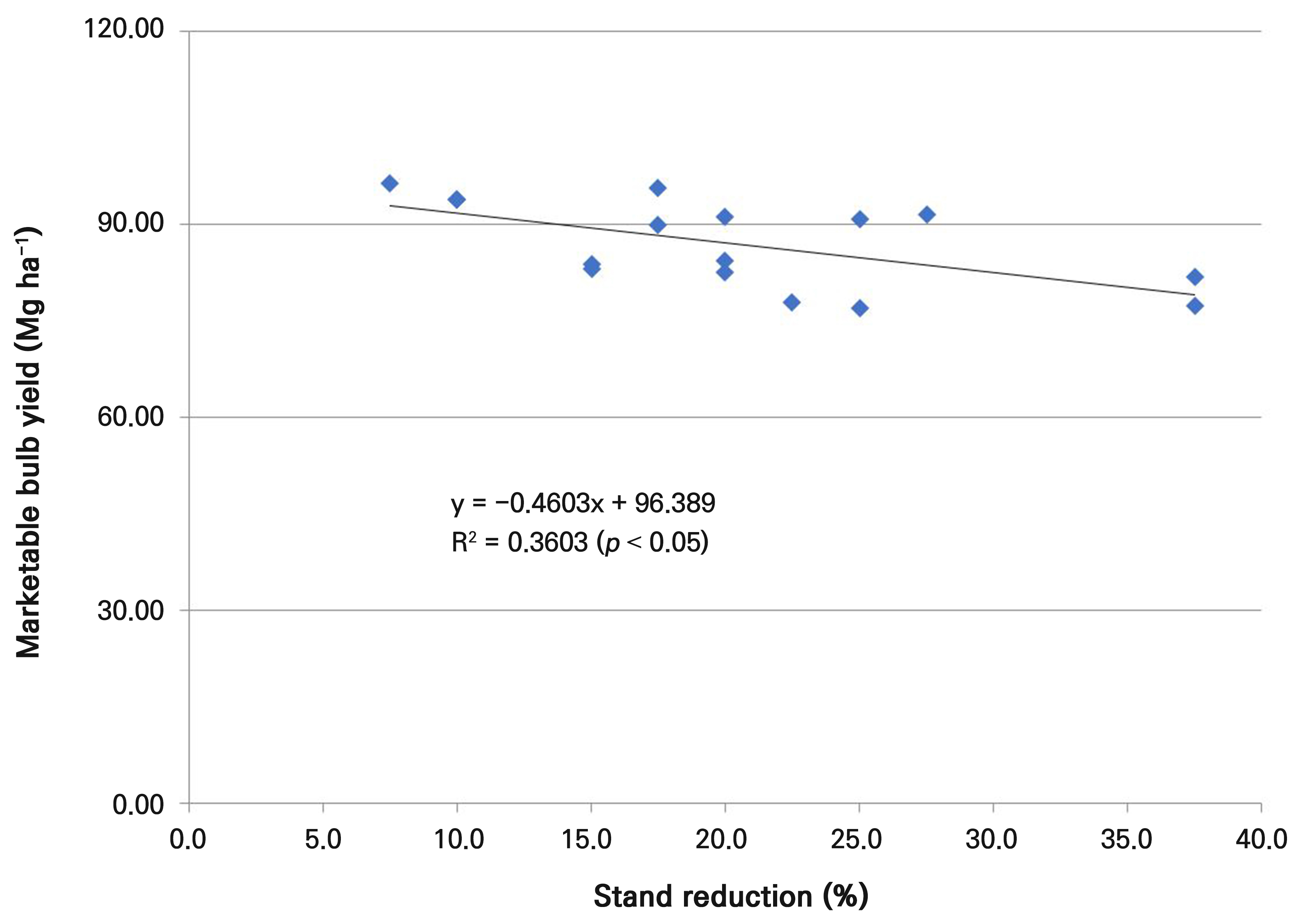
- Effects of Missing Plant Patterns and Stand Reduction on the Bulb Size Distribution and Marketable Yield of Onion under Mechanical Transplanting
- Jiyoung Son, Byeonggyu Min, Donghyeon Im, Seonghwa Jeon, Jongtae Lee
- While onion production is increasingly adopting mechanical transplanting, the problem of missing plants frequently occurs, resulting in the phenomenon of stand reduction, …
- While onion production is increasingly adopting mechanical transplanting, the problem of missing plants frequently occurs, resulting in the phenomenon of stand reduction, potentially affecting the yield and bulb size distribution. This study evaluated the effects of missing plant patterns and stand reduction on bulb growth and marketable yield of onion under mechanical transplanting conditions. Field experiments were conducted during the 2017/2018 growing season in southeastern Korea. Missing plant patterns were classified based on the number of missing plants in adjacent positions. Stand reduction levels ranged from approximately 9% to 38%. Bulb weight did not differ significantly among missing plant pattern treatments (p > 0.05), although numerical variations were observed among the treatments. Stand reduction significantly affected the bulb size distribution (p ≤ 0.05), primarily by decreasing the proportion of medium-sized bulbs while maintaining a high bulb yield. The marketable bulb yield showed a significant negative relationship with stand reduction (p < 0.05), decreasing from 94.6 Mg·ha-1 in the control to 79.5 Mg·ha-1 at 35-38% stand reduction. At moderate stand reduction levels (15-28%), the yield was maintained at 88–93% of the control and did not differ significantly (p > 0.05), indicating partial compensation through an increase in the bulb size. However, stand reduction exceeding 30% resulted in significant yield losses. These results indicate that moderate stand reduction under mechanical transplanting did not significantly reduce the marketable yield, despite reductions in the plant population. This finding suggests that onion production may tolerate a certain degree of stand reduction under mechanical transplanting conditions. A stand reduction level of up to approximately 20-28% may be acceptable without a substantial yield penalty, whereas maintaining stand reduction below 30% is critical for stable production. - COLLAPSE
-
Research Article
-
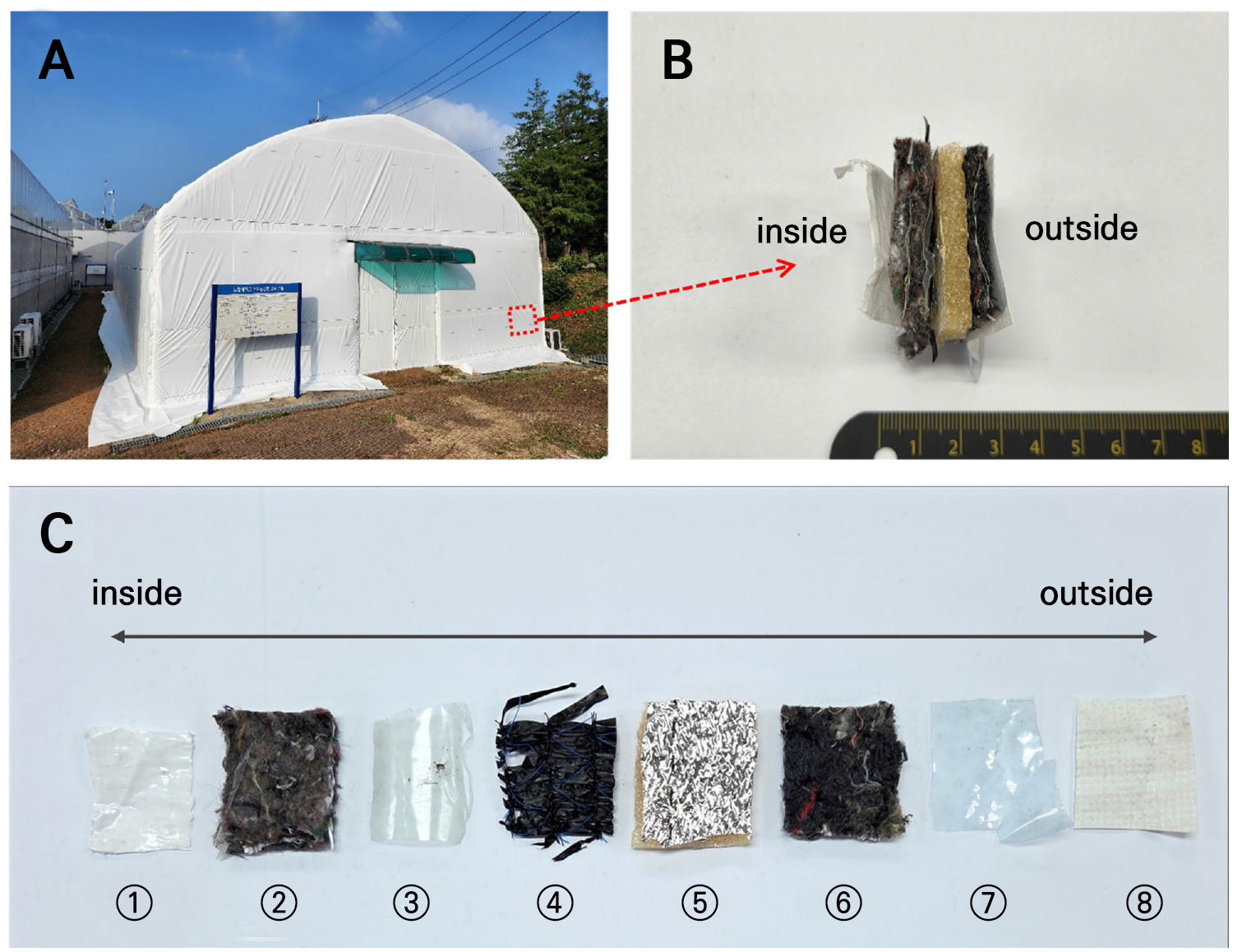
Environmental Stability and External Environmental Dependency Analysis of Vertical Farm Remodeled from Agricultural Shelter House
농막하우스 리모델링 수직농장의 환경 안정성 및 외부환경 의존성 분석
-
Jong-Hee Lee, Sunwoo Park
이종희, 박선우
- This study proposes a model for constructing an energy-efficient vertical farm by retrofitting an existing agricultural facility, specifically an Agricultural Shelter House …
본 연구에서는 기존 농업시설인 농막하우스를 리모델링하여 에너지 효율적인 수직농장을 구축하는 모델을 제시하고 그 성능을 평가하였다. 70평 규모(약 231m2)의 농막하우스에 8겹의 …
- This study proposes a model for constructing an energy-efficient vertical farm by retrofitting an existing agricultural facility, specifically an Agricultural Shelter House (“Nongmak house”), and evaluates its performance. An eight-layer composite thermal insulation covering system was applied to a 231 m2 (70 pyeong) agricultural shelter house, which was converted into a closed-type vertical farm. To quantitatively assess the thermal insulation performance and environmental stability of the retrofitted system, the U-value was measured, and the internal and external environmental data were analyzed. Environmental stability was defined as the degree to which optimal internal environments (temperature, humidity, etc.) for crop growth can be maintained within a certain range regardless of external environmental changes, which is essential for minimizing crop stress and creating efficient cultivation environments. The calculated U-value of the composite insulation system was 1.939 W/m2·K. Although this value does not reach the level of conventional container-type vertical farms (0.193–0.225 W/m2·K), it exhibits superior performance compared to single-layer PE film greenhouses (6.476 W/m2·K) and high-performance triple-layer thermal curtain systems (2.73 W/m2·K). Furthermore, the analysis of external climate, conventional greenhouse, and vertical farm internal environments demonstrated that the retrofitted vertical farm maintained highly stable conditions, with a temperature coefficient of variation (CV) of 5.85% and a relative humidity CV of 11.58%. Compared to external and conventional greenhouse environments, this structure provided significantly enhanced environmental stability. Statistical analysis using independent t-tests confirmed that the vertical farm showed significantly more stable temperature (t = -17.370, p < 0.001) and humidity (t = 40.163, p < 0.001) compared to conventional greenhouse systems. Time-series analysis further revealed that the internal environment of the vertical farm remained consistent throughout seasonal changes (temperature CV: 1.16–1.38%). Correlation analysis with expanded external environmental variables showed minimal dependency on solar radiation (γ = 0.372), wind speed (γ = 0.196), and external temperature (γ = 0.315), confirming the independence from external conditions. Additionally, the total heat load generated in the vertical farm was calculated as approximately 22.17 kW, consisting of sensible heat load (12.34 kW) from LED growth lights and latent heat load (9.83 kW) from crop transpiration. This represents sufficient margin compared to the total rated cooling capacity (155 kW) of the temperature and humidity control units, confirming adequate cooling performance. Although the thermal insulation performance of the retrofitted system does not fully match that of commercial container-type vertical farms, it is sufficient to maintain a controlled environment year-round. These results suggest that the proposed system can provide both cost-effective initial investment and improved energy efficiency while ensuring stable environmental control. These findings indicate that this retrofitting approach offers a practical and economical alternative for advancing the viability of vertical farms and can promote the adoption of such technologies among small- and medium-scale farmers.
- COLLAPSE
본 연구에서는 기존 농업시설인 농막하우스를 리모델링하여 에너지 효율적인 수직농장을 구축하는 모델을 제시하고 그 성능을 평가하였다. 70평 규모(약 231m2)의 농막하우스에 8겹의 복합 단열 피복 시스템을 적용하여 밀폐형 수직농장으로 전환하였으며, 현재 운영중인 시스템의 단열 성능과 환경안정성을 정량적으로 평가하기 위해 열관류율(U-value)을 산출하고, 내・외부 환경데이터를 분석하였다. 복합 단열 피복 시스템의 열관류율은 1.939W/m2·K로 산출되었다. 이는 일반 컨테이너형 수직농장(0.193–0.225W/m2·K)의 수준에는 미치지 못하지만 일반 단층 PE필름 온실(6.476W/m2·K), 고성능 3중 보온커튼 시스템(2.73W/m2·K)보다 높은 성능으로 나타냈다. 또한 외기환경, 기존 온실 내부 환경, 수직농장의 내부환경 데이터를 분석한 결과, 농막하우스형 수직농장은 온도 변동계수(CV) 5.85%, 습도 변동계수 11.58%로 매우 안정적인 환경을 유지하였다. 이는 외부환경 및 연동형 온실과 비교하여 현저히 우수한 환경 안정성을 나타내었으며, 독립표본 t-검정 결과 통계적으로 유의한 차이를 확인하였다(온도: t = –17.370, p < 0.001; 습도: t = 40.163, p < 0.001). 시계열 분석에서도 수직농장은 계절 변화에 관계없이 일정한 환경을 유지(온도 CV: 1.16–1.38%)하였다. 확대된 외부환경 변수와의 상관관계 분석 결과, 일사량(γ = 0.372), 풍속(γ = 0.196), 외부온도(γ = 0.315)에 대해 낮은 상관관계를 보여 외부환경으로부터의 독립성을 확인하였다. 또한, 수직농장에서 발생하는 총 열부하(LED 생육등에 의한 현열부하(12.34kW)와 작물 증산에 의한 잠열부하(9.83kW)) 약 22.17kW로 산출되었는데, 이는 항온항습장치의 총 정격냉방능력(155kW)에 대해 충분한 여유가 있어 냉방성능은 충분한 것으로 확인되었다. 농막하우스형 수직농장은 비록 절대적인 단열성능은 기존 컨테이너형 수직농장에 미치지 못하지만, 연중 환경제어가 가능할 정도로 충분한 단열성능을 확보하여 초기 투자비용 절감과 동시에 안정적인 환경제어와 에너지 효율성을 달성할 수 있음을 시사한다. 이러한 결과는 수직농장형 스마트팜의 경제성을 확보하고 중소 농업인들에게 기술 도입을 촉진할 수 있는 실용적 대안이 될 것으로 사료된다.
-
Environmental Stability and External Environmental Dependency Analysis of Vertical Farm Remodeled from Agricultural Shelter House
-
Research Article
-
Growth and Nutrient Uptake of Red Pepper Plug Seedlings as Influenced by Various Day and Night Temperatures
주 · 야간 온도 조절이 고추 플러그 묘 생장과 무기양분 흡수에 미치는 영향
-
In Sook Park, Myong Sun Park, Jong Myung Choi, Jong Pil Chun
박인숙, 박명선, 최종명, 천종필
- This study was conducted to investigate the effects of various day and night temperatures on the growth and nutrient uptake of red-pepper …
주·야간 온도가 고추 플러그묘 생장과 무기원소 흡수에 미치는 영향을 구명하고, 생장과 연관된 영상자료 확보를 위해 본 연구를 수행하였다. 15°C(D)/10°C(N), 20°C(D)/15°C(N) 및 25°C(D)/20°C(N)로 …
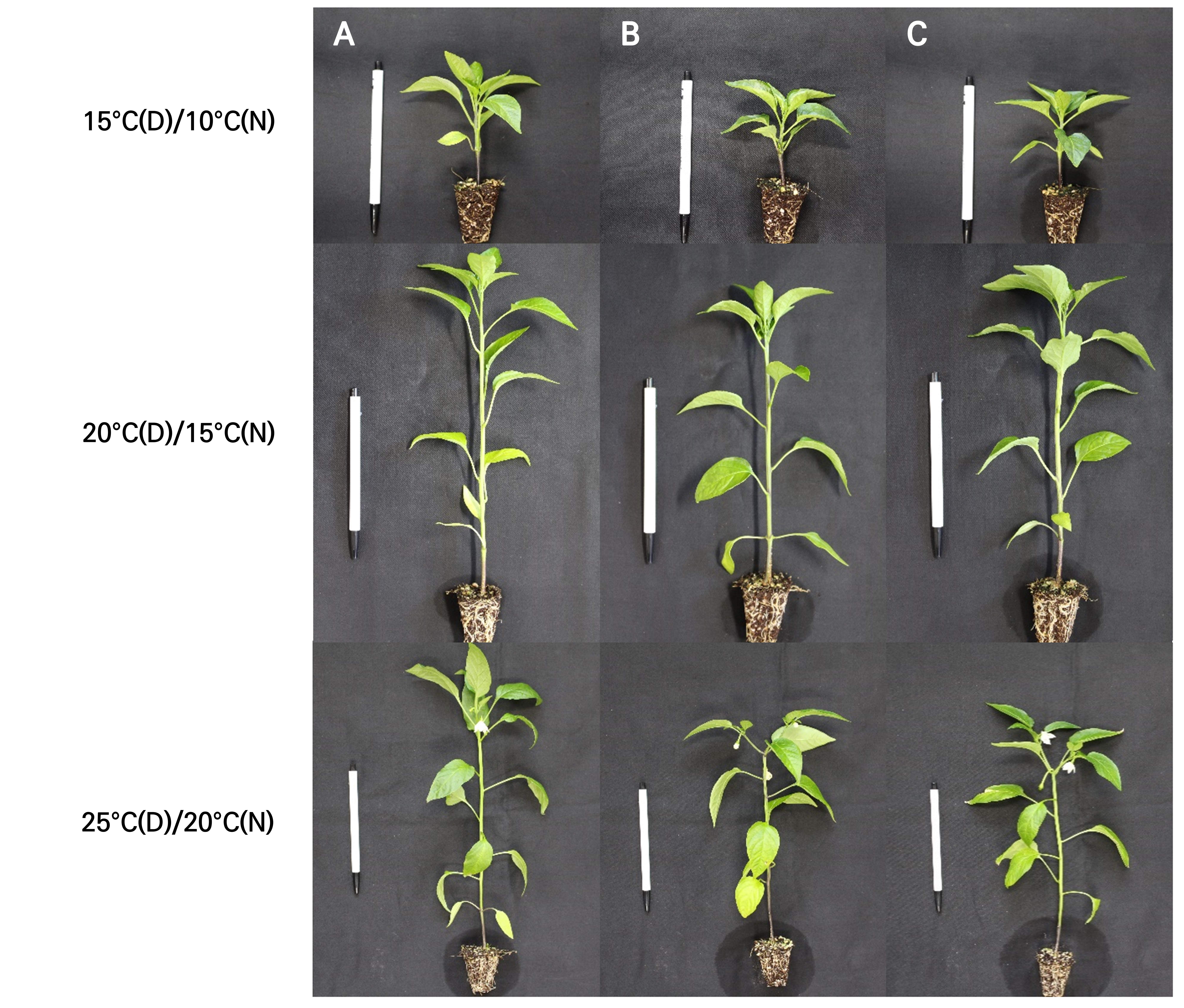
- This study was conducted to investigate the effects of various day and night temperatures on the growth and nutrient uptake of red-pepper plug seedlings and to obtain image data related to the growth of these seedlings. The temperature was controlled at three levels: 15°C (day, D)/10°C (night, N), 20°C (D)/15°C (N), and 25°C (D)/20°C (N), and the experiment involved ‘AT Sinhotan’, ‘Allbokhap’, and ‘Callatan’ peppers. After sowing in 72-cell plug trays, germinated seedlings were raised in temperature-controlled growth chambers and growth was investigated 39 and 70 days after sowing. The higher the day and night temperature, the larger or wider the plant height and leaf area of the three cultivars. At 70 days after sowing, ‘AT Sinhotan’ peppers in the 25°C (D)/20°C (N) were tallest with a plant height of 29.4 cm, and the ‘Callatan’ peppers in the 20°C (D)/15°C (N) condition were thickest with a stem diameter of 3.57 mm. The number of nodes was highest in the ‘AT Sinhotan’ peppers in both 20°C (D)/15°C (N) and 25°C (D)/20°C (N) treatments with eleven nodes. Fresh weight was greatest in the 25°C (D)/20°C (N) case among all cultivars, but the dry weight was not significantly different compared to that in the 20°C (D)/15°C (N) condition. Seedling compactness was greatest at 15°C (D)/10°C (N), but the plant height was less than 7 cm in this treatment, implying that it is unsuitable for transplanting, with the 20°C (D)/15°C (N) treatment judged to be suitable. The ‘Allbokhap’ peppers had the highest number of leaves and the largest leaf area under the 25°C (D)/20°C (N) treatment, at 15.3 and 156.5 cm2, respectively. The SPAD values were highest in the ‘Allbokhap’ and ‘Callatan’ peppers under the 15°C (D)/10°C (N) treatment. These results suggest that 20°C (D)/15°C (N) is suitable for shortening the seedling raising duration and reducing production costs.
- COLLAPSE
주·야간 온도가 고추 플러그묘 생장과 무기원소 흡수에 미치는 영향을 구명하고, 생장과 연관된 영상자료 확보를 위해 본 연구를 수행하였다. 15°C(D)/10°C(N), 20°C(D)/15°C(N) 및 25°C(D)/20°C(N)로 세 수준으로 온도를 조절하였고, 건고추 생산용으로 육성한 ‘AT Sinhotan’, ‘Allbokhap’ 및 ‘Callatan’ 고추를 대상으로 실험하였다. 72셀 플러그 트레이에 파종한 후 발아된 식물체를 온도가 조절된 생장상에서 육묘하면서 파종 39일과 70일 후 생육을 조사하였다. 주·야간 온도가 높을수록 세 품종의 초장과 엽면적이 크거나 넓어졌다. 파종 70일 후 25°C(D)/20°C(N) 처리구의 ‘AT Sinhotan’ 고추가 초장 29.4cm 그리고 20°C(D)/15°C(N) 처리구의 ‘Callatan’ 고추가 경경 3.57mm로 가장 크거나 굵었다. 마디수는 20°C(D)/15°C(N)와 25°C(D)/20°C(N) 처리구에서 ‘AT Sinhotan’ 고추가 11개로 가장 많았다. 세 품종의 생체중은 25°C(D)/20°C(N) 처리구에서 무거웠으나, 건물중은 20°C(D)/15°C(N) 처리구와 차이가 없었다. 묘의 충실도는 15°C(D)/10°C(N) 처리구에서 가장 높았으나 초장이 7cm 미만으로 작아 정식묘에 적합하지 않았으며, 20°C(D)/15°C(N) 처리구가 적합한 것으로 판단되었다. 엽수와 엽면적은 25°C(D)/20°C(N) 처리구에서 ‘Allbokhap’ 고추가 각각 15.3매와 156.5cm2로 가장 많거나 넓었다. SPAD 값은 15°C(D)/10°C(N) 처리구에서 ‘Allbokhap’과 ‘Callatan’ 고추가 컸다. 이상의 연구결과를 요약하면 플러그 육묘 시 묘의 충실도 등을 감안하고 생산비를 절감하려면 주·야간 온도를 20°C(D)/15°C(N)로 조절하는 것이 적합하고, 육묘기간을 단축시키기 위해서는 25°C(D)/20°C(N) 온도에서 육묘하는 것이 유리한 것으로 판단한다.
-
Growth and Nutrient Uptake of Red Pepper Plug Seedlings as Influenced by Various Day and Night Temperatures
-
Research Article
-
Comparative Analysis of Phytochemical Characteristics of Licorice Distributed and Long-Term Cultivated in Korea
국내 유통 및 장기재배 감초의 약리성분 특성 비교 분석
-
Yong Il Kim, Jeong Hoon Lee, Young Ho Yoon, Jae Hwan Kim, Hea min Jeong, Dong Kyun Son, Myeong Ja Kwak, Su Young Woo
김용일, 이정훈, 윤영호, 김재환, 정혜민, 손동균, 곽명자, 우수영
- Licorice must meet the domestic pharmacopoeial standard of a glycyrrhizin content of at least 2.5% to be used as a pharmaceutical, and …
감초는 국내 공정서의 기준인 ‘glycyrrhizin 함량 2.5% 이상’을 충족해야 의약품으로 사용할 수 있고, 미달시 식품으로만 활용된다. 수입 야생 감초와 중국 재배 감초는 …
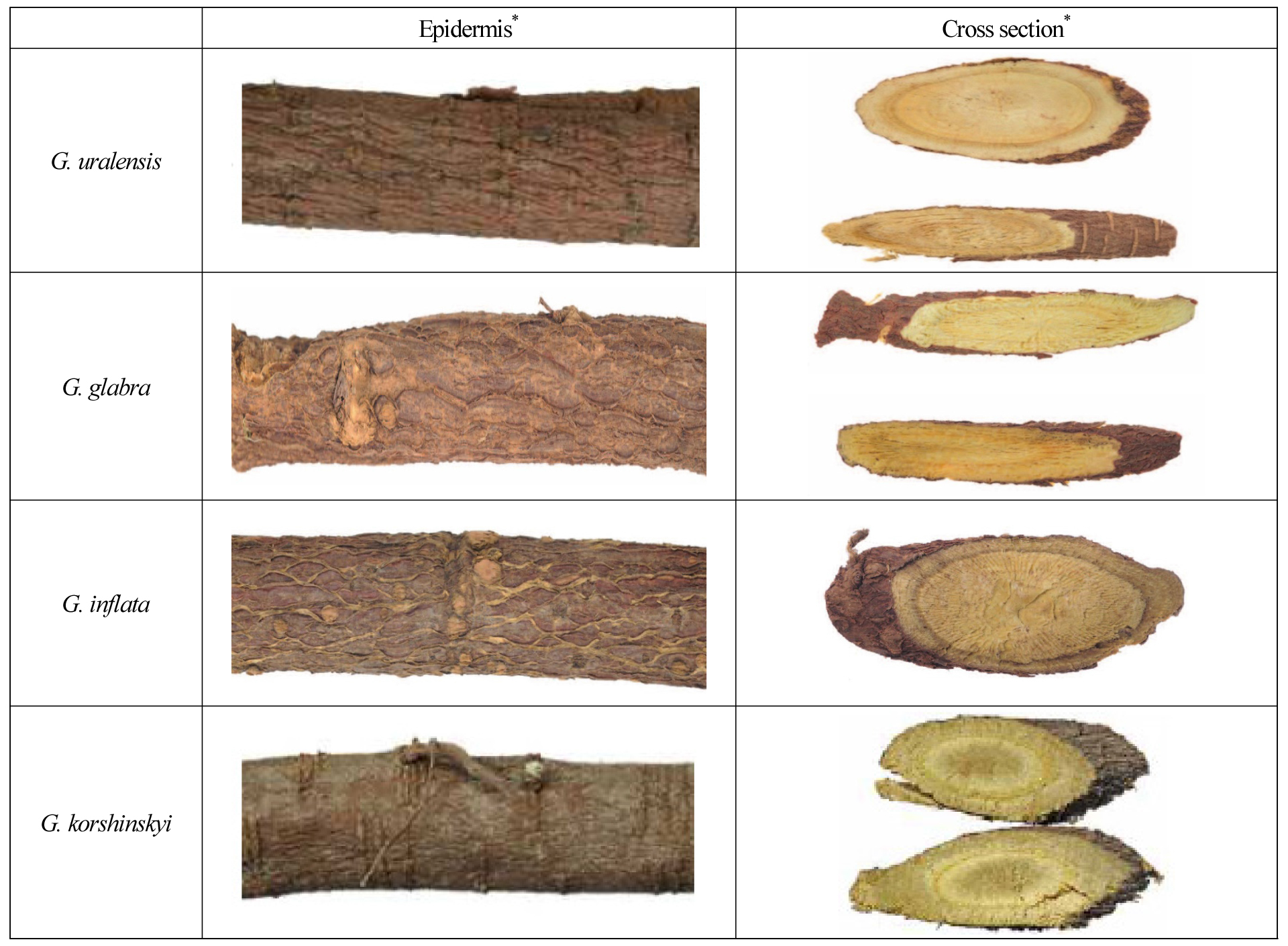
- Licorice must meet the domestic pharmacopoeial standard of a glycyrrhizin content of at least 2.5% to be used as a pharmaceutical, and if it falls short, it can only be utilized as a food ingredient. Imported wild licorice and cultivated licorice from China met the glycyrrhizin standard, whereas cultivated licorice produced in Korea and Japan did not. Consequently, achieving high glycyrrhizin content has long remained a challenge, and the factors responsible for differences in content—such as climate, species, plant part, and age—have not yet been clearly elucidated. In this study, in order to elucidate these factors, licorice samples from domestic and international sources were repeatedly collected for taxonomic identification and compositional analysis. Additionally, licorice (Glycyrrhiza uralensis and ‘Wongam’) was cultivated under a temperature gradient for five years and subsequently compared with commercially distributed samples. The results confirmed that long-term cultivated licorice contained high glycyrrhizin levels of 3.43–5.66%, exceeding the Korean Pharmacopoeia standard (2.5%), with no significant differences due to temperature treatment. Furthermore, the glycyrrhizin content in rhizomes was 5.31–7.09%, which was higher than that in roots, additionally confirming a factor contributing to the elevated glycyrrhizin content in wild licorice, which contains a high proportion of rhizomes. This study can be used as fundamental data for the future production of licorice for pharmaceutical applications.
- COLLAPSE
감초는 국내 공정서의 기준인 ‘glycyrrhizin 함량 2.5% 이상’을 충족해야 의약품으로 사용할 수 있고, 미달시 식품으로만 활용된다. 수입 야생 감초와 중국 재배 감초는 glycyrrhizin 기준을 충족하였으나, 한국과 일본에서 생산되는 재배 감초는 기준을 충족하지 못하였다. 이로인해 높은 glycyrrhizin 함량을 확보하기 위한 방법은 오랫동안 해결해야 할 과제로 남아 있었으나, 기후, 종, 부위, 연령 등 어떤 요인이 함량 차이를 유발하는지는 아직 명확히 규명되지 않았다. 본 연구에서는 이를 밝혀내기 위해 국내외 유통 감초를 여러 차례 수집하여 분류동정 및 성분을 조사하였으며, 별도로 감초(Glycyrrhiza uralensis and ‘Wongam’)를 5년간 온도구배 처리하여 재배한 후 유통 감초와 성분 함량을 비교 분석하였다. 그 결과 장기 재배한 감초에서 대한약전 기준치(2.5%)를 상회하는 3.43–5.66%의 높은 glycyrrhizin 함량을 확인하였으며, 온도 처리에 따른 차이는 없었다. 또한 지하경의 함량은 5.31–7.09%로 뿌리보다 높아, 지하경 비중이 높은 야생 감초에서 glycyrrhizin 함량이 높은 요인을 추가로 확인하였다. 본 연구는 향후 의약품용 감초 생산을 위한 기초자료로 활용될 수 있다.
-
Comparative Analysis of Phytochemical Characteristics of Licorice Distributed and Long-Term Cultivated in Korea

 Horticultural Science and Technology